Finger Lime

The finger lime is now also called – ‘citrus caviar’ – is an extremely easy to grow plant.

We have two main varieties – the green skinned fruit, and the red skinned fruit.

There is no difference in the taste – but the colour can be different inside the plant ranging from pink, light green to a soft yellow.

The plants grown at Sustainable Natives are quite differenct to other nurseries – as we made our own selections over a period of  ten years.

Plants are available in 140mm and 200mm sizes and can be pre-ordered.

They can grow in an Eastern area of Australia, and on the coast around the country. Be sure not to plant them by themselves if you live in areas from the Blue Mountains to Canberra and Melbourne and up to Warwick in Queensland, where they could suffer from frost damage.

Prune the branches they are browning, to maintain a healthy plant. Fruit appars after flowering throughout the warmer months. Squeeze the fruit to check for ripeness, should be not firm.

The finger limes can handle most citrus fertilisers, and love being fed – but not in winter.

They don’t mind living in pots, on the

They can grow in an Eastern area of Australia, and on the coast around the country. Be sure not to plant them by themselves if you live in areas from the Blue Mountains to Canberra and Melbourne and up to Warwick in Queensland, where they could suffer from frost damage.

Prune the branches they are browning, to maintain a healthy plant. Fruit appars after flowering throughout the warmer months. Squeeze the fruit to check for ripeness, should be not firm.

The finger limes can handle most citrus fertilisers, and love being fed – but not in winter.

They don’t mind living in pots, on the verandah.

Finger limes are a great pest deterrent!

Wallabies, rabbits, rats, mouses and other animals hate their thorns, so where you have problems – plant them there.

isotonix OPC3 scientific data

Australia_Market_small

Scientific Studies That Support Isotonix OPC-3®:

  • Ames, BN, et al.  Oxidants, antioxidants, and the degenerative diseases of aging.  Proc Natl Acad Sci USA 90:7915-7922, 1993.
  • Bagchi, D, et al.  Cellular protection with proanthocyanidins derived from grape seed.  Ann NY Acad Sci 957:260-70, 2002.
  • Bagchi, D, et al.  Free radicals and grape seed proanthocyanidin extract: importance in human health and disease prevention.  Toxicology 148: 187-97, 2000.
  • Bagchi, D, et al.  Oxygen free radical scavenging abilities of vitamins C and E, and a grape seed proanthocyanidin extract in vitro.  Res Commun Mol Pathol Pharmacol 95:179-89, 1997.
  • Bayeta, E., et al. Pycnogenol inhibits generation of inflammatory mediators in macrophages. Nutrition Research 20: 249-259, 2000.
  • Blazsó, G., et al. Anti-inflammatory and superoxide radical scavenging activities of a procyanidins containing extract from the bark of Pinus pinaster Sol. and its fractions. Pharm Pharmacol Lett 3: 217-20, 1994.
  • Cao G, Alessio H, Cultler R.  Oxygen-radical absorbance capacity assay for antioxidants.  Fre Rad Biol & Med 14:301-11, 1993.
  • Cho, K., et al. Effect of bioflavonoids extracted from the bark of Pinus maritima on proinflammatory cytokine interlukin-1 production in lipopolysaccharide-stimulated RAW 264. 7.  Toxicology and Applied Pharmacology 168: 64-71, 2000.
  • Cho, K., et al. Inhibition mechanisms of bioflavonoids extracted from the bark of Pinus maritima on the expression of proinflammatory cytokines. Annals of the NY Academy of Sciences 928: 141-156, 2001.
  • Devaraj, S., et al. Supplementation with a pine bark extract rich in polyphenols increases plasma antioxidant capacity and alters the plasma lipoprotein profile. Lipids 37:931-4, 2002.
  • Drew B, Leeuwenburgh C.  Aging and the role of reactive nitrogen species.  Ann NY Acad Sci 959:66-81, 2002.
  • Fine, AM, Oligomeric proanthocyanidin complexes: history, structure, and phytopharmaceutical applications. Altern Med Rev 5:144-51, 2000.
  • Fitzpatrick, D., et al. Endothelium-dependent vascular effects of Pycnogenol. Journal of Cardiovascular Pharmacology 32: 509-515, 1998.
  • Frankel, E., et al. Inhibition of oxidation of human low-density lipoprotein by phenolic substances in red wine. Lancet 341: 454-7, 1993.
  • Freedman, J., et al. Select flavonoids and whole juice from purple grapes inhibit platelet function and enhance nitric oxide release. Circulation 103:2792-8, 2001.
  • Frémont, L. Biological effects of resveratrol. Life Sciences 66: 663-673, 2000.
  • Gibson, L, et al.  Effectiveness of cranberry juice in preventing urinary tract infections in long-term care facility patients.  J Naturopathic Med 2:45-47, 1991.
  • Graham DY, Smith JL, Bouvet, AA.  What happens to tablets in the stomach.  J Pharm Sci 79:420-24, 1990.
  • Gulati, O. Pycnogenol® in venous disorders: a review. European Bulletin of Drug Research 7: 1-13, 1999.
  • Halpern, MJ, et al.  Red wine polyphenols and inhibition of platelet aggregation: possible mechanisms, and potential use in health promotion and disease prevention.  J Int Med Res 26:171-80, 1998.
  • Havsteen B.  Flavonoids, a class of natural products of high pharmacological potency.  Biochem Pharm 32:1141-48, 1983.
  • Hosseini, S., et al. Pycnogenol® in the management of asthma. Journal of Medicinal Food 4: 201-209, 2001. HHHh
  • Joseph JA, Shukitt-Hale B, Denisova NA, Bielinksi D, Martin A, McEwen JJ, Bickford PC.  Reversals of age-related declines in neuronal signal transduction, cognitive, and motor behavioral deficits with blueberry, spinach, or strawberry dietary supplementation.  J Neuroscience 19: 8114-21, 1999.
  • Kay CD, Holub BJ.  The effect of wild blueberry (Vaccinium angustifolium) on post-prandial serum antioxidant status in human subjects.  Br J Nutr 88: 389-98, 2002.
  • Kehrer JP.  Free radicals as mediators of tissue injury and disease.  Crit Rev Toxicol 23:21-48, 1993.
  • Koch R. Comparative study of Venostatin and Pycnogenol in chronic venous insufficiency.  Phytother Res 16:S1-5, 2002.
  • Kohama, T., et al. Analgesic efficacy of French maritime pine bark extract in dysmenorrhea. Journal of Reproductive Medicine 49: 828-32, 2004.
  • Kohama, T., et al. The treatment of gynecological disorders with Pycnogenol®. European Bulletin of Drug Research 7: 30-32, 1999.
  • Koparker AD, Augsburger LL, Shangraw RF.  Intrinsic dissolution rates of tablet fillers and binders and their influence on the dissolution of drugs from tablet formulations.  Pharm Res 7:80-85, 1990.
  • Liu, X., et al. Antidiabetic effect of Pycnogenol French maritime pine bark extract in patients with diabetes type II. Life Sci 75:2505-13, 2004.
  • Liu, X., et al. French maritime pine bark extract pycnogenol dose-dependently lowers glucose in type 2 diabetic patients. Diabetes Care 27: 839, 2004.
  • Manna, S., et al. Resveratrol suppresses TNF-Induced activation of nuclear transcription factors NF-kB, activator protein-1, and apoptosis: potential role of reactive oxygen intermediates and lipid peroxidation. The Journal of Immunology 164: 6509-19, 2000.
  • Maritim, A., et al. Effects of pycnogenol treatment on oxidative stress in streptozotocin-induced diabetic rats. J Biochem Mol Toxicol 17:193-9, 2003.
  • Mazza G, Kay CD, Cottrell T, Holub BJ.  Absorption of anthocyanins from blueberries and serum antioxidant status in human subjects.  J Agric Food Chem 50:7731-37, 2002.
  • Miyagi, Y., et al. Inhibition of human low-density lipoprotein oxidation by flavonoids in red wine and grape juice. Am J Cardiol 0:1627-31, 1997.
  • Monograph. Vaccinium myrtillus (bilberry). Altern Med Rev 6:500-4, 2001.
  • Murias M., et al. Resveratrol analogues as selective cyclooxygenase-2 inhibitors: synthesis and structure-activity relationship. Bioorg Med Chem 12: 5571-8, 2004.
  • Nesaretnam K, et al.  Effect of tocotrienols on the growth of a human breast cancer cell line in culture.  Lipids 30:1139-43, 1995.
  • Nuttall SL, Kendall MJ, Bombardelli E, Morazzoni P. An evaluation of the antioxidant activity of a standardized grape seed extract, Leucoselect. J Clin Pharm Ther 23: 385-89, 1998.
  • Ofek I, Goldhar J, Zafriri D, Lis H, Sharon N.  Anti-Escherichia coli adhesion activity of cranberry and blueberry juices. New England J Med 324:1599, 1991.
  • Packer, L., et al. Antioxidant activity and biologic properties of a procyanidin-rich extract from pine (Pinus maritima) bark, pycnogenol. Free Radic Biol Med 27:704-24, 1999. Review.
  • Qureshi, A, et al.  Response of hypercholesterolemic subjects to administration of tocotrienols.  Lipids 30:1171-77, 1995.
  • Rimbach G, Virgili F, Park YC, Packer L.  Effect of procyanidins from Pinus maritime on glutathione levels in endothelial cells challenged by 3-morpholinosydnonimine or activated macrophages.  Redox Rep 4:171-77, 1999. 
  • Rohdewald, P. A review of the French maritime pine bark extract (Pycnogenol®), a herbal medication with a diverse clinical pharmacology. Int J Clin Pharmacol Ther 40:158-68, 2002. Review.
  • Rohdewald, P. Pycnogenol®. In “Flavonoids in Health and Disease”. Ed. Catherine Rice-Evans and Lester Packer. New York:  Marcel Dekker, Inc., 1998. 405-19.
  • Roseff, S., et al. Improvement in sperm quality and function with French maritime pine tree bark extract. Journal Reproductive Medicine 47: 821-4, 2002.
  • Roseff, S., et al. Improvement of sperm quality by Pycnogenol®. European Bulletin of Drug Research 7: 33-6, 1999.
  • Saito, M., et al. Antiulcer activity of grape seed extract and procyanidins. J Agric  Food Chem 46: 1460-4, 1998.
  • Schönlau, F., et al. Pycnogenol® for diabetic retinopathy. International Ophthalmology 24: 161-171, 2002.
  • Schönlau, F., et al. The cosmeceutical Pycnogenol®. J Appl Cosmetology 20: 241-6, 2002.
  • Segger, D. and Schönlau, F. Supplementation with Evelle® improves skin smoothness and elasticity in a double blind, placebo-controlled study with 62 women. Journal of Dermatological Treatment 15:222-26, 2004.
  • Sharma, S., et al. Pycnogenol® inhibits the release of histamine from mast cells. Phytotherapy Research 17: 66-69, 2003.
  • Shi, J., et al. Polyphenolics in grape seeds-biochemistry and functionality. J Med Food 6:291-9, 2003. Review.
  • Sobota AE.  Inhibition of bacterial adherence by cranberry juice: potential use for the treatment of urinary tract infactions.  J Urology 131:1013-1016, 1984.
  • Soloway MS, Smith RA.  J Am Med Assoc 260:1465, 1988.
  • Spadea, L., et al. Treatment of vascular retinopathies with Pycnogenol®. Phytotherapy Research 15: 219-23, 2001.
  • Stein, J., et al. Purple grape juice improves endothelial function and reduces the susceptibility of LDL cholesterol to oxidation in patients with coronary artery disease. Circulation 100:1050-5, 1999.
  • Takada, Y., et al. Nonsteroidal anti-inflammatory agents differ in their ability to suppress NF-kappaB activation, inhibition of expression of cyclooxygenase-2 and cyclin D1, and abrogation of tumor cell proliferation. Oncogene 23: 9247-58, 2004.
  • Tomco, A, et al.  Antioxidant effects of tocotrienol in patients with hyperlipidemia and carotid stenosis.  Lipids 30: 1179-83, 1995.
  • Ueda, T., et al. Preventative effect of natural and synthetic antioxidants on lipid peroxidation in the mammalian eye. Ophthalmic Res 28: 184-92, 1996.
  • Wallerath, T., et al. Resveratrol, a polyphenolic phytoalexin present in red wine, enhances expression and activity of endothelial nitric oxide synthase. Circulation 106:1652-8, 2002.
  • Watson, R. Pycnogenol® and cardiovascular health. Evidence-Based Integrative Medicine 1: 27-32, 2003.
  • Wei, Z., et al. Pycnogenol enhances endothelial cell antioxidant defense. Redox Report 3: 219-24, 1997.
  • Yamakoshi, J., et al.  Proanthocyanidin-rich extract from grape seeds attenuates the development of aortic atherosclerosis in cholesterol-fed rabbits.  Atherosclerosis142:139-149, 1999.
  • Zheng W, Wang SY.  Oxygen radical absorbing capacity of phenolics in blueberries, cranberries, chokeberries, and lingonberries.  J Agric Food Chem 51:502-9, 2003.

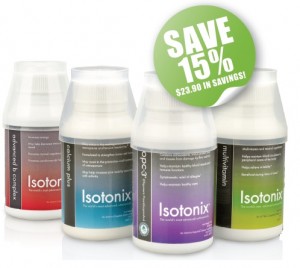
Isotonix Daily Essential Kit – available at discount

Isotonix range

Primary benefits of the Isotonix Daily Essentials Kit:

• Receive essential vitamin and mineral supplementation

• Cardiovascular health

• Energy, mood and stress

• Cognitive and physical performance

• Immunity and antioxidant protection

How the Isotonix Daily Essentials Kit benefits you:

Enjoying good health and lifelong vitality isn’t the result of an overnight transformation — it happens one day at a time.
It’s also true, now more than ever, that each day can bring new challenges and stress to both body and mind.
By making the right nutritional choices every day, we set in motion benefits that add up over the course of weeks,
months and years. For all of these reasons, the Isotonix Daily Essentials Kit is made for every adult. With this kit,
you can be sure that you’re giving your body the essential vitamins, minerals and nutrients it needs.
This is all thanks to four essential supplements — Isotonix OPC-3®, Isotonix Multivitamin, Isotonix Advanced B Complex and
Isotonix Calcium Plus — to promote long-term health and optimal nutrition.

Caring for your general health starts with Isotonix OPC-3, a powerful antioxidant that helps maintain immune functions,
temporarily relieves the pain and inflammation of arthritis and combats free radicals. Next, Isotonix Multivitamin contains
100 percent (or more) of most of the RDI of vitamins and minerals to supplement dietary deficiencies and help maintain normal
metabolic functions. To provide the increased energy you need to function throughout the day, this kit includes Isotonix
Advanced B Complex
, which delivers metabolically active forms of several vitamins and minerals (in an easily absorbed form).
Finally, Isotonix Calcium Plus delivers a potent package of calcium and complementary nutrients to keep your bones strong —
in a more readily available and easily absorbed formula.

Many of us have a tendency to put things off when it comes to our nutrition. However, each day is an opportunity to move towards
a healthier lifestyle, one step at a time. Starting today means feeling better tomorrow. To prepare for both the day ahead and the
days to come, take advantage of the Isotonix Daily Essentials Kit.

Product Code SR

76459 $134.50

Contains one bottle each: Isotonix OPC-3 (45 servings), Isotonix Multivitamin (45 servings), Isotonix Advanced B Complex
(45 servings), Isotonix Calcium Plus (45 day servings).

Get your essentials by clicking below link


Australia_Market_small


Isotonix Daily Essential Kit – great for all time of the year

Australia_Market_small


Primary benefits of the Isotonix Daily Essentials Kit:


• Receive essential vitamin and mineral supplementation


• Cardiovascular health


• Energy, mood and stress


• Cognitive and physical performance


• Immunity and antioxidant protection


How the Isotonix Daily Essentials Kit benefits you:


Enjoying good health and lifelong vitality isn’t the result of an overnight transformation — it happens one day at a time. It’s also true, now more than ever, that each day can bring new challenges and stress to both body and mind. By making the right nutritional choices every day, we set in motion benefits that add up over the course of weeks, months and years. For all of these reasons, the Isotonix Daily Essentials Kit is made for every adult. With this kit, you can be sure that you’re giving your body the essential vitamins, minerals and nutrients it needs. This is all thanks to four essential supplements — Isotonix OPC-3®, Isotonix Multivitamin, Isotonix Advanced B Complex and Isotonix Calcium Plus — to promote long-term health and optimal nutrition.


Caring for your general health starts with Isotonix OPC-3, a powerful antioxidant that helps maintain immune functions, temporarily relieves the pain and inflammation of arthritis and combats free radicals. Next, Isotonix Multivitamin contains 100 percent (or more) of most of the RDI of vitamins and minerals to supplement dietary deficiencies and help maintain normal metabolic functions. To provide the increased energy you need to function throughout the day, this kit includes Isotonix Advanced B Complex, which delivers metabolically active forms of several vitamins and minerals (in an easily absorbed form). Finally, Isotonix Calcium Plus delivers a potent package of calcium and complementary nutrients to keep your bones strong — in a more readily available and easily absorbed formula.


Many of us have a tendency to put things off when it comes to our nutrition. However, each day is an opportunity to move towards a healthier lifestyle, one step at a time. Starting today means feeling better tomorrow. To prepare for both the day ahead and the days to come, take advantage of the Isotonix Daily Essentials Kit.


Product Code SR


76459 $134.50


Contains one bottle each: Isotonix OPC-3 (45 servings), Isotonix Multivitamin (45 servings), Isotonix Advanced B Complex (45 servings), Isotonix Calcium Plus (45 day servings).


Get your essentials


Paper Daisy (Xerochrysum bracteatum)

Time to buy a paper daisy!

Ppaer Daisy

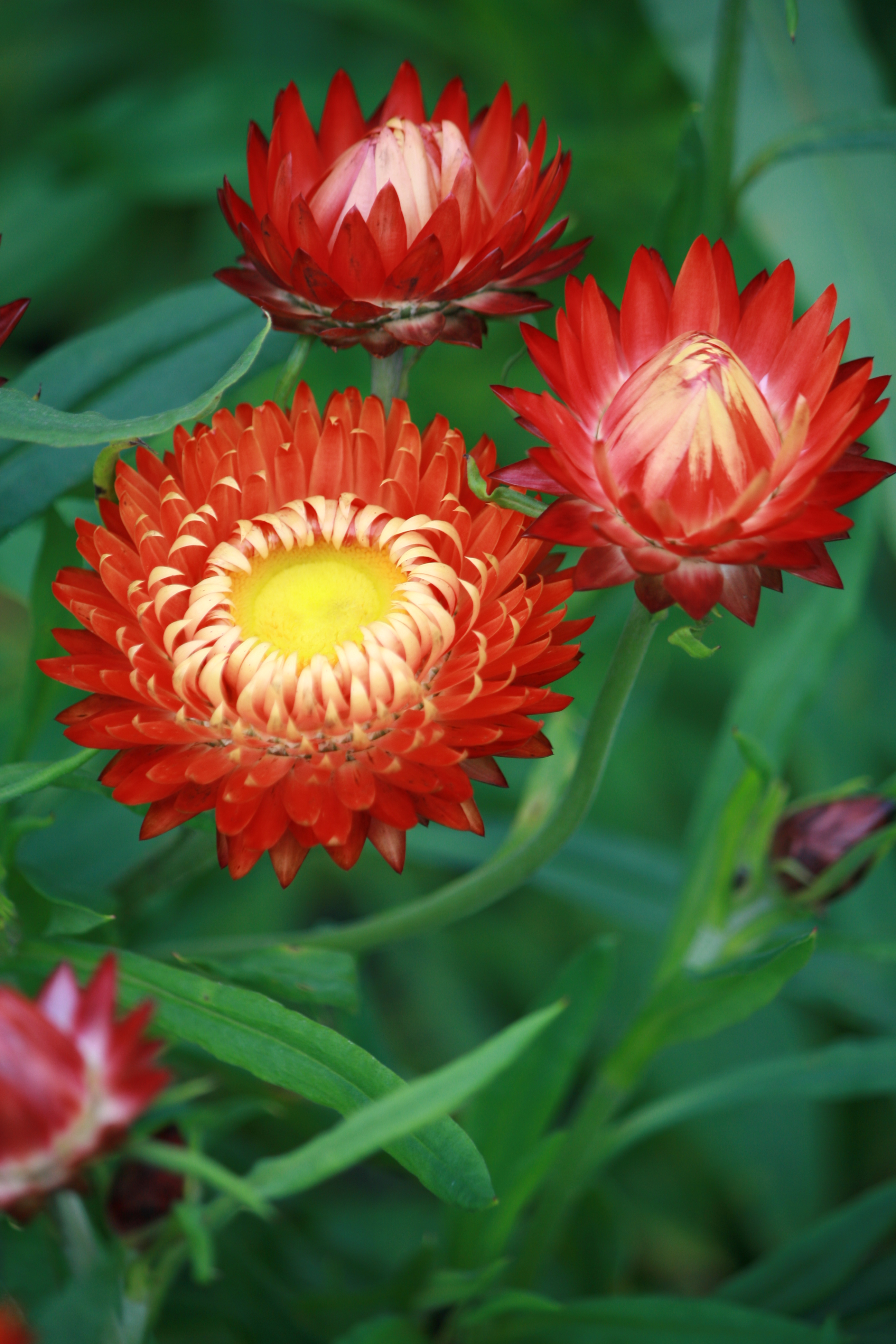
Xerochrysum bracteatum, common name – Paper daisy, everlasting or strawflower, is a flowering plant in the family Asteraceae native to Australia. It has several name changes including Helichrysum bracteatum for many years before being transferred to a new genus Xerochrysum in 1990. It grows as a woody or herbaceous perennial or annual shrub up to a metre tall with green or grey leafy foliage. Golden yellow or white flower heads are produced from spring to autumn; their distinctive feature is the papery bracts that resemble petals. The species is widespread, growing in a variety of habitats across the country, from rainforest margins to deserts and subalpine areas. The golden everlasting serves as food for various larvae of lepidopterans (butterflies and moths), and adult butterflies, hoverflies, native bees, small beetles and grasshoppers visit the flower heads.

The golden everlasting has proven very adaptable to cultivation. It was propagated and developed in Germany in the 1850s, and annual cultivars in a host of colour forms from white to bronze to purple flowers became available. Many of these are still sold in mixed seed packs. In Australia, many cultivars are perennial shrubs, which have become popular garden plants. Sturdier, long-stemmed forms are used commercially in the cut flower industry. (Wikidepia)

At Sustainable Natives – we grow a wide range of Paper daisies, ranging from low orange flowering form to yellowlarge flowering varieties.

Available as tubestock (75mm tubes or 140mm pots)


Shop.com

Go to shop.com for amazing products to try

Australia_Market_small


https://au.shop.com/natives

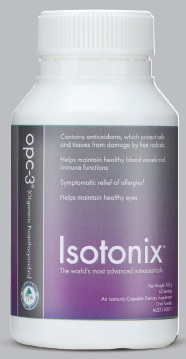
Time to try Isotonix – OPC3

OPC3

ARE YOU AT RISK?

Free Radicals Can Cause:

• Oxidative damage to cells

• Premature aging

• Joint stiffness

• Decline in vision health

• Decrease in sperm quality

• Decline in strength of blood vessels

• Decrease in cognitive function

• Decrease in cognitive function


Why Isotonix OPC-3? – the world’s most advanced nutraceuticals

• Antioxidant

• Helps maintain healthy blood vessels and joints

• Helps maintain healthy eyes

• Helps maintain healthy immune function

• For symptomatic relief of allergies

• For temporary relief of pain from arthritis and rheumatism

• Aids, assists or helps in the maintenance or improvement of general well-being


• Superior delivery system yields maximum results

• Rapidly absorbed by the body

• Higher concentration of vitamins and minerals

• No fillers, binders, coatings or lubricants

• Naturally derived nutrients delivered in the most natural way Pine Bark Extract (Pycnogenol)


Pycnogenol (pic-noj-en-all) Pycnogenol is the registered trademark of Horphag Research(UK) Ltd. for a standardized extract of the bark of the French

maritime pine tree.

Pycnogenol is a natural plant extract from the bark of the maritime pine tree, which grows exclusively along the coast of southwest France in Les Landes de Gascogne.

This unspoiled and natural forest environment is the unique source of this pine bark. Pycnogenol represents a natural combination of genetically programmed constant proportions of procyanidins, bioflavonoids and organic acids.

The extract has three basic properties — it’s a powerful antioxidant, it promotes the production of endothelial nitric oxide and it promotes the normal dilation of blood vessels. As one of the most potent natural scavengers of free radicals, Pycnogenol combats many aggressivefree radicals before they cause oxidative stress to vital organs. Its super-antioxidant capabilities promote cardiovascular health. Pycnogenol in Isotonix OPC-3® is the most clinically researched and potent bioflavonoid. Market Australia, Inc. is the worldwide exclusive provider of isotonic-capable Pycnogenol – Isotonix OPC-3®.


Oligomeric Proanthocyanidins

OPCs are bioflavonoids (complex organic plant compounds) found in fruits, vegetables and certain tree barks that provide exceptional nutritional benefits to the human body.

Grape Seed Extract

Grape seed extract is typically extracted from the seeds of red grapes, which have a high content of oligomeric proanthocyanidins. Grape seed extract is extremely rich in polyphenols, a compound high in antioxidants.

Red Wine Extract

Red wine extract contains rich beneficial active ingredients. This potent, OPC-rich antioxidant is found in grape vines, roots, seeds and stalk, with its highest concentration in the skins.

Citrus Extract Bioflavonoids

In certain plants, bioflavonoids are found to act as light filters, protecting the delicate DNA chains and other important macromolecules by absorbing ultraviolet radiation.

Bilberry Extract

Bilberry extract is derived from the leaves and berry-like fruit of a common European shrub closel related to the blueberry. Extracts of the ripe berry are known to contain flavonoid pigments known as

anthocyanins, powerful antioxidants.


Crinum pedunculatum

Crinum pedunculatum
also known as the Swamp Lily, River Lily or Mangrove Lily, is a bulbous perennial found in stream and tidal areas of the Northern Territory, Queensland and New South Wales, Australia as well as New Guinea and some Pacific Islands.

The plant grows well in sandy soils and is usually found near beaches on the less exposed portions. The plant can help in regeneration jobs, as seeds are quite hardy, but unfortunately not enough are produced compared to Bitou bush.
Crinums flower in summer with distinct lily shaped flowers which are white. Other colours have been identified.
These plants can tolerate many varied conditions – even on freeway embankments and islands. You can see them on the F3 driving from Hornsby to Newcastle. They can handle full sun and can even survive with limited water supplies.
They can grow to 1 metro in height and width so don’t crowd them in. Great in any garden and produces a tropical look.

Japanese Style Australian Garden

Japanese Garden at Cowra

There is an increasing interest in producing ‘Zen’ style gardens in Australia – and plants such as Bamboo and Photinia and Virburnums that one traditionally associates with ‘Japanese’ style gardens need not be instilled using such plants – as in Japan – there was no knowledgeof Australian plants until the late 1900’s and there has been increasing interest in Australian Plants in Japan as well as worldwide – especially now with the increasing heat that has been predicted due to climate change.
How one deals with gardens and garden maintenance is extremely important. Ideally the best place to start is with carefully selected appropriate plants that have large temperature ranges – and can deal with higher temperatures and also with potentially down pours of rain – to almost flood like proportions.
Trees such as Brachichyton populneus and Podacarpus elatus are 2 native trees with an amazing range and are older than most plants on this planet.
I will post  list of possible trees, shrubs and grasses that could be considered alternative ‘Japanese’ plants to use throughout Australia and the world.
This could develop the style of Japanese gardens beyond what is appreciated today – and I believe the Japanese style has definate opportunities to increase in its worldwide appeal, even more if the best plants are chosen beforehand.
It is important to note however that nothing can replace the Japanese pruning practice – of tight clipping and shaping – that is done throughout the year – and speciific plant species need to adapt to this type of maintenance.

Japanese Garden at Cowra

There are a set of sylistic practices used in Japanese Gardens and are to be considered the principle elements in any Japanese Garden.

1. water (ponds – usually 2 are constructed – one flowing into the other)
2. mountain (where the deities reside)
3. path (winding path as used in stroll gardens)
4. dry garden (pebbles)
5. lanterns
6. entrance gate
7. tea house
8. Deer scarer
9. Bridge
10. Rock formation

Native Peppermints!

We are slowing building up our stock – and have added this species of Mentha to the plant list over the past year.

The smell alone is quite amazing.

Stock is available currently in 75mm tubes only.

There are only 6 known varieties of Mentha occuring in Australia

the varieties include Mentha dimenica and Mentha australis that we currently have – and hopefully will have all 6 varieties soon

The plant is quite hardy and should be grown similar to any other mint. It will become dormant if hit by sudden frost or heat, but has managed to survive my tests at home which include no watering for periods after establishment, and very little light.